
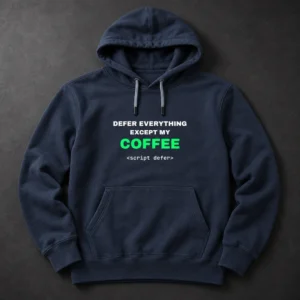
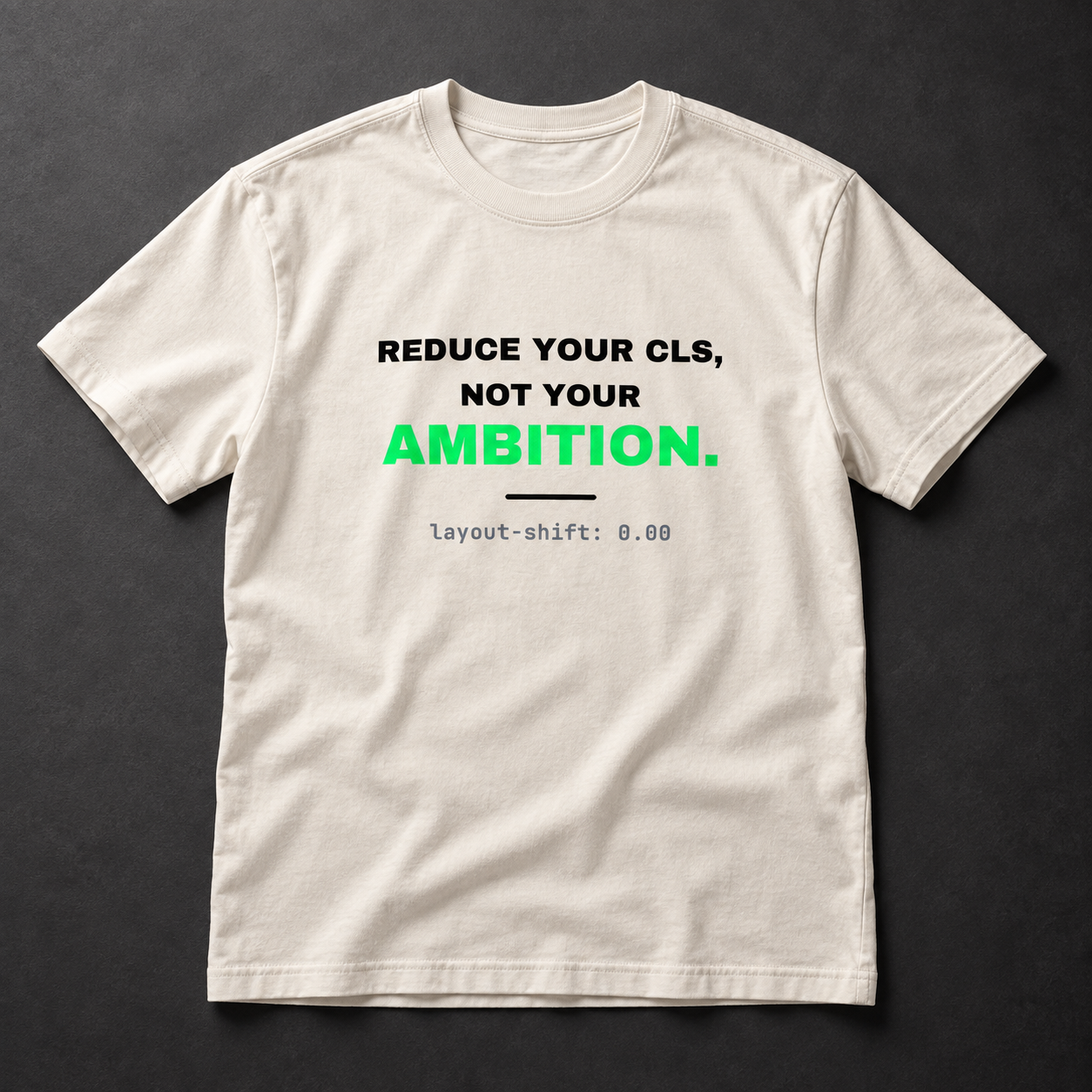
A size label is a useful starting point. A garment you already love is a better one. Before choosing a new tee or hoodie, take a few measurements from something that fits the way you want.
Start with the garment, not the label
Lay your reference garment flat on a table. Smooth out the folds without stretching the fabric. Measure the width from one underarm to the other, then measure the length from the high shoulder point to the bottom hem.
Compare those numbers with the garment measurements in our size guide. Keep your units consistent: inches against inches, or centimeters against centimeters. A flat chest width is not the same measurement as a body circumference.
A tee and a hoodie have different jobs
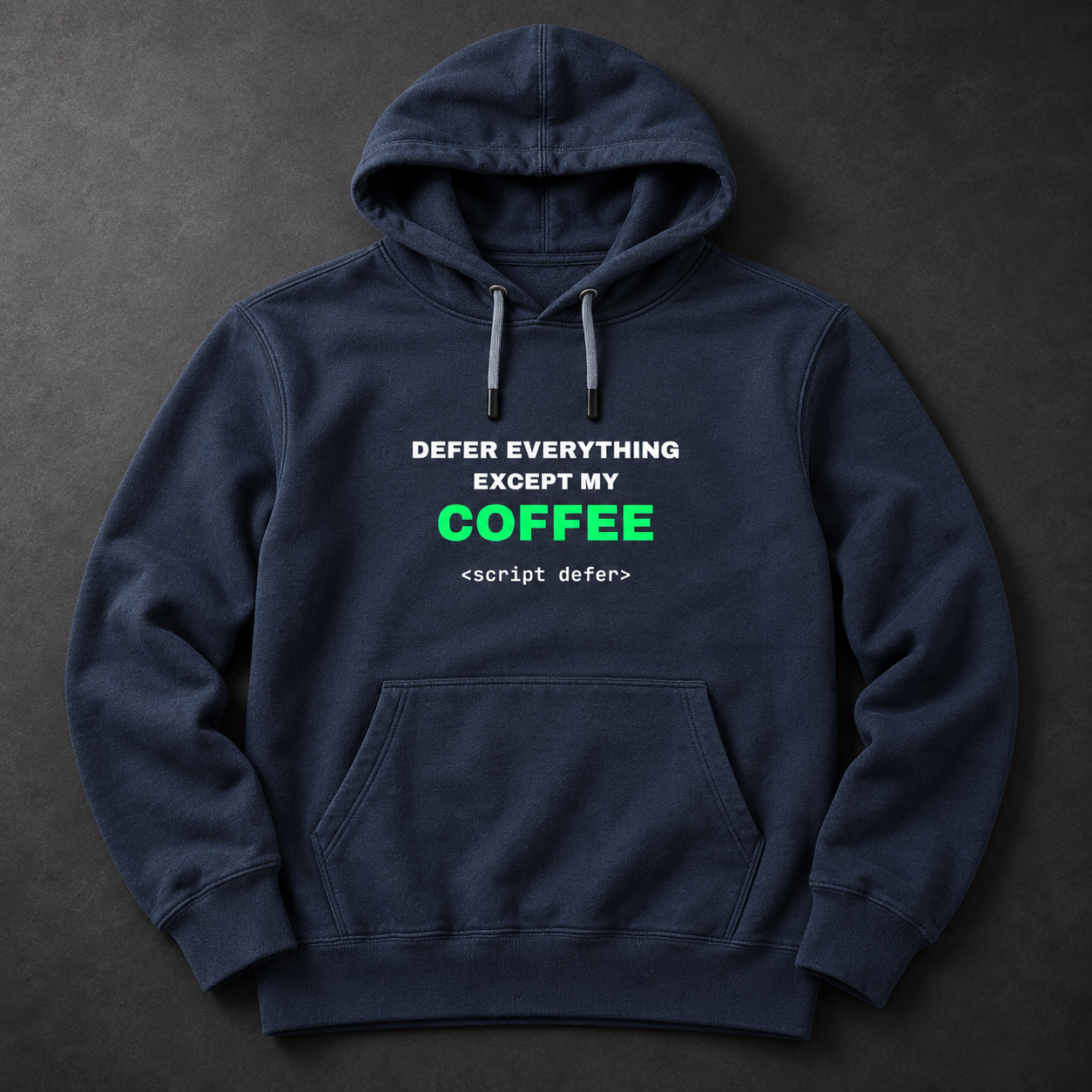
For a tee, think about how close you like the fabric to sit and where you want the hem to land. For a hoodie, account for the clothes you usually wear underneath. Use a hoodie as your reference for a hoodie; a fitted tee tells you less about how a layered garment will feel.
Supplier charts describe a particular garment model. They are more useful than assuming that the same letter means the same fit across every brand. Read the fit note for the line you are considering, especially when the supplier recommends sizing up.
Check the options for your actual print
The line guide helps you compare measurements. The product page tells you which size and color combinations are currently selectable for that design. Open the product options before making your final choice.
If you are between sizes, compare the measurements with two garments you own: one that feels close and one that gives you more room. That makes the tradeoff easier to picture than a size label alone.
Still unsure?
Send your question through Contact with the print and garment line you are considering. There is no need to guess a fit from a product thumbnail.
[COMMENTS]
Continue the thread.
Open the conversation when you are ready to read or reply.
Open comments in the full page